 APPLY NOW
 CONTACT
 CULTURE
  EVENTS
  HOUSING
  INTERNSHIP
  RESOURCES
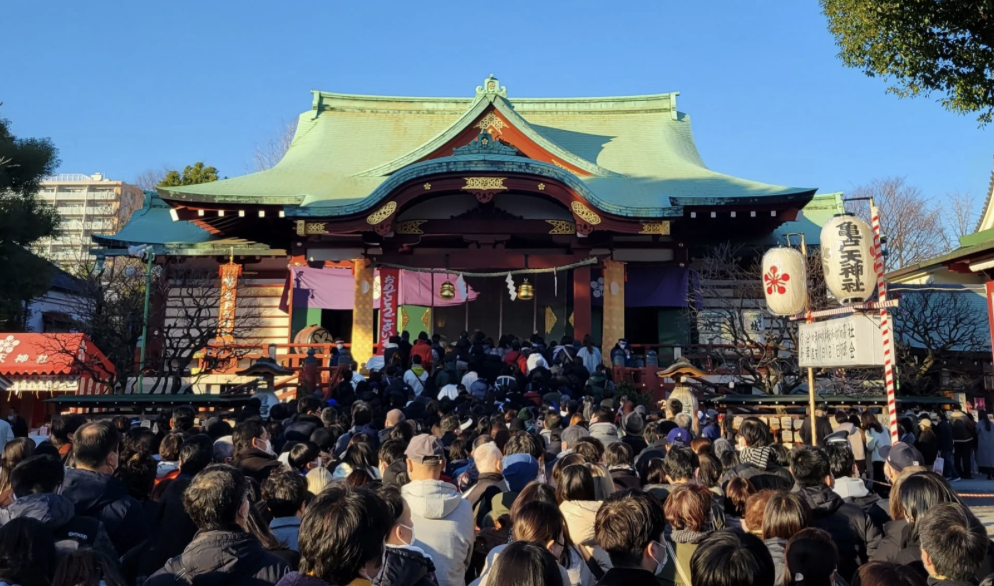
The New Year in Japan is marked by a tradition called Hatsumode, the first visit of the year to a Shinto shrine or Buddhist temple. For many people living in Japan, including international interns, it is a meaningful way to reflect, make wishes for the year ahead, and experience Japanese culture outside of everyday work and study.
Hatsumode combines quiet reflection with a festive atmosphere, making it one of the most accessible and rewarding traditions to take part in during your time in Japan.
What is Hatsumode?
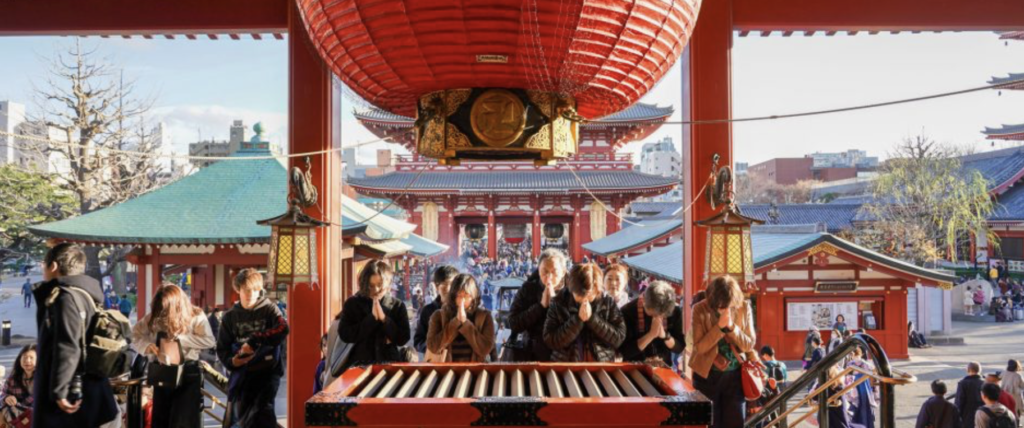
Hatsumode (初詣) literally means “first visit.” It refers to the first shrine or temple visit of the New Year, where people pray for good health, success, and safety. While the tradition is strongly associated with the New Year period, there is no strict rule about the exact day, what matters most is the intention behind the visit
For interns in Japan, Hatsumode offers a chance to observe and participate in local customs in a respectful and approachable way.
Typical Hatsumode Customs
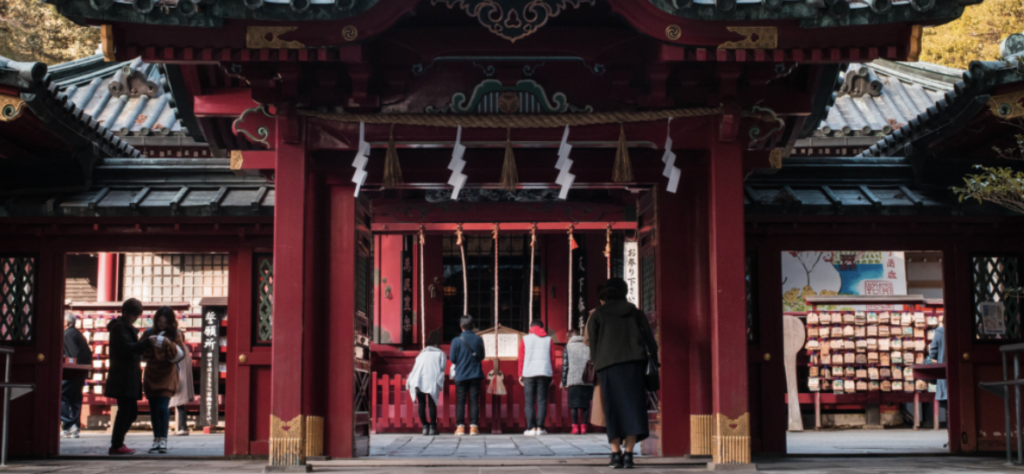
Although practices may vary slightly by location, a typical Hatsumode visit includes a few simple steps:
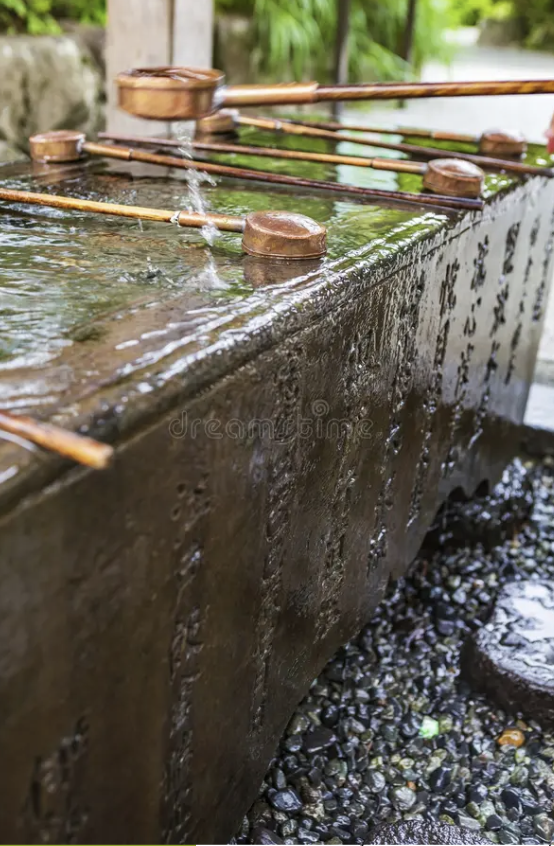
- Cleansing at the temizuya: Visitors rinse their hands and mouth before approaching the shrine.
- Offering a coin: A small coin is placed into the offering box as a sign of gratitude.
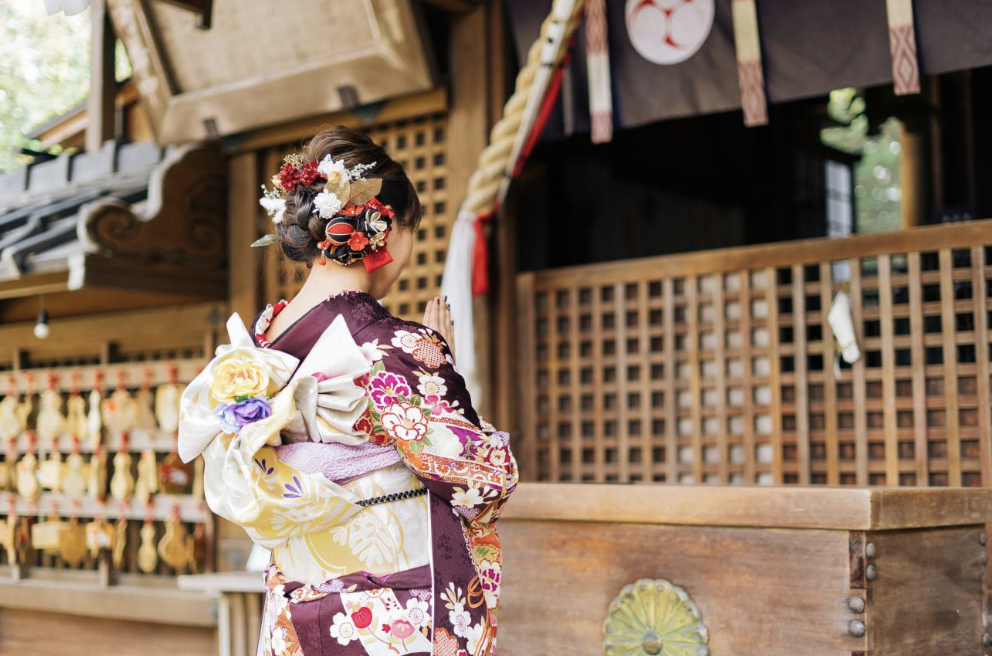
- Prayer ritual: Visitors bow, clap their hands, make a silent wish or prayer, and bow again.
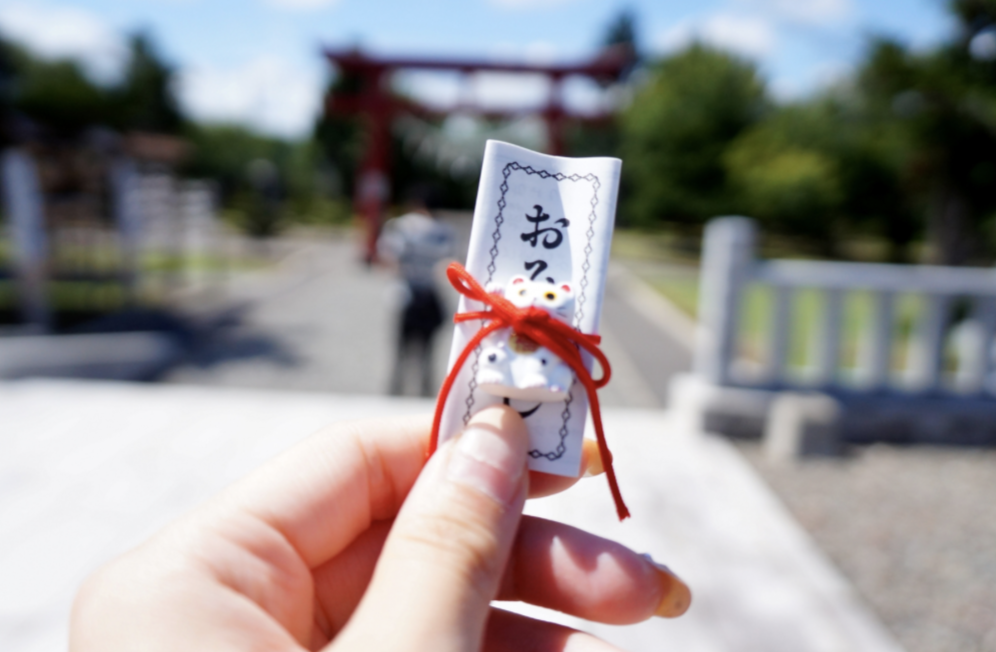
- Omikuji and omamori: Many people draw a fortune slip or purchase a protective charm for the year ahead.
If you are unsure what to do, observing others and following along respectfully is perfectly acceptable.
Where and when to go
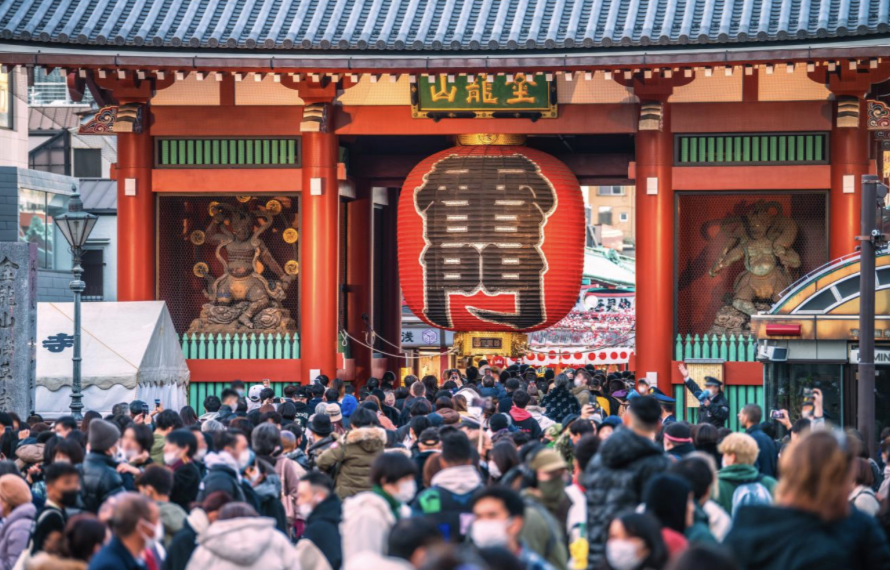
Hatsumode is most popular in the first days of January, when major shrines are lively and crowded. Visiting later often means fewer queues and a calmer atmosphere, which some people prefer.
Large, well-known shrines offer a vibrant experience, while smaller neighborhood shrines provide a quieter and more personal visit.Both options are equally meaningful, and choosing one often depends on whether you prefer energy or reflection.
Practical Tips for Interns
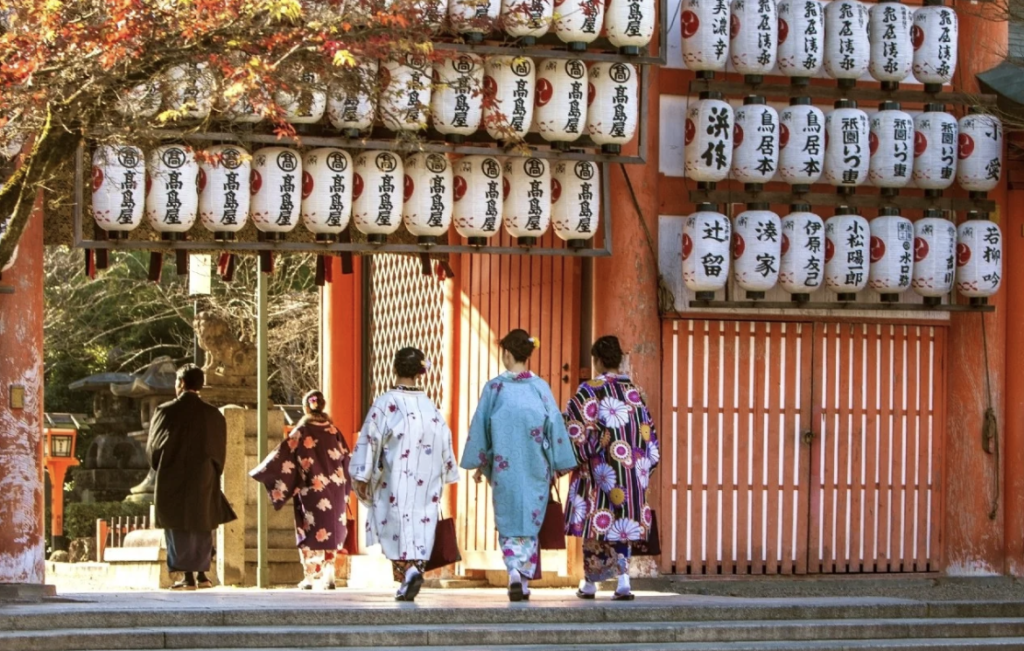
- Dress warmly: Hatsumode takes place during winter, often outdoors.
- Bring cash: Charms, fortunes, and small offerings are usually cash-only.
- Be patient: Queuing is normal, especially at popular locations.
- Respect the space: Keep voices low and follow posted guidelines.
- Go independently or with friends: Hatsumode is easy to do on your own and doesn’t require special arrangements.
Things to Try During Your Visit
- Omikuji: Fortune slips ranging from great luck to challenges a fun and symbolic experience.
- Omamori: Small charms related to health, studies, travel, or safety.
- Goshuin: Shrine or temple stamps collected in a special booklet, popular among visitors and locals alike.
- Seasonal food stalls: At some locations, warm snacks and drinks add to the atmosphere.
Etiquette and Photography
When visiting a shrine or temple, be mindful that it is a sacred space. Avoid blocking walkways, be cautious when taking photos of people, and follow any posted signs regarding photography.
Being observant and respectful will help ensure a positive experience for both visitors and worshippers.
Final Thoughts
Hatsumode is a simple yet meaningful tradition that offers insight into Japanese values such as reflection, gratitude, and community. For interns in Japan, it is an easy way to engage with local culture beyond work, whether by visiting a busy city shrine or a quiet neighborhood temple.
Taking part in Hatsumode can feel like closing one chapter and calmly setting intentions for the next, making it a memorable cultural experience during your time in Japan.