
 APPLY NOW
 CONTACT
 CULTURE
  EVENTS
  HOUSING
  INTERNSHIP
  RESOURCES
 Moving to Japan is exciting. It's clean, safe, and efficient. Though no matter where you're coming from, whether it's Europe, Southeast Asia, or the Americas, there will be culture shocks.
Some are small, some are emotional, but most are things that no one really warns you about.
If you're planning to live and intern in Tokyo, here are a few culture shocks you'll probably experience, and why they're not necessarily a bad thing.
The silence on public transport🚆
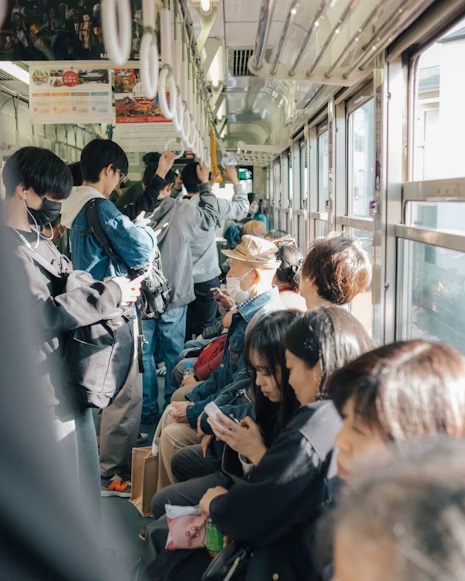
You step onto a packed Tokyo train at 8:30 in the morning. It's full of people, yet it's silent. No loud phone calls, no shouting across the seats, and no music blasting from someone's speaker.
Even friend groups speak in low voices. People stroll quietly on their phones, and some are even taking a nap while standing.
If you're from a country where public transport is social or noisy, this can feel a bit intense at first. You might even feel self-conscious about making any sound at all, but after a few weeks, you'll probably start appreciating the calm.
People don't say "no" directly🤝
In many Western countries, communication is direct. For example, the Netherlands is known as one of the most direct countries in Europe. Meanwhile, Japan is much more indirect.
You might hear things like:
• “That might be difficult.”
• “We will consider it.”
• “Let me check and get back to you.”
Sometimes these are polite ways of saying no.
This can be confusing at first, especially in work environments. You may leave a meeting thinking something is possible, only to later realize it wasn't.
It's not dishonesty, it's about harmony and avoiding confrontation. Once you understand that, you start listening differently.
The work culture feels formal 💼
Even in modern Tokyo offices, there's a level of professionalism that surprises people.
• Business cards are exchanged carefully
• Emails can feel very structured
• Hierarchy matters (a lot)
• Punctuality is taken seriously
If you're interning, you might notice coworkers staying later than you expect. It's not always about workload, sometimes it's about presence.
It can feel intimidating at first, but it also teaches discipline and attention to detail in a way that sticks with you.
Convenience stores are actually good 🏪
This sounds small, but it surprises almost everyone.
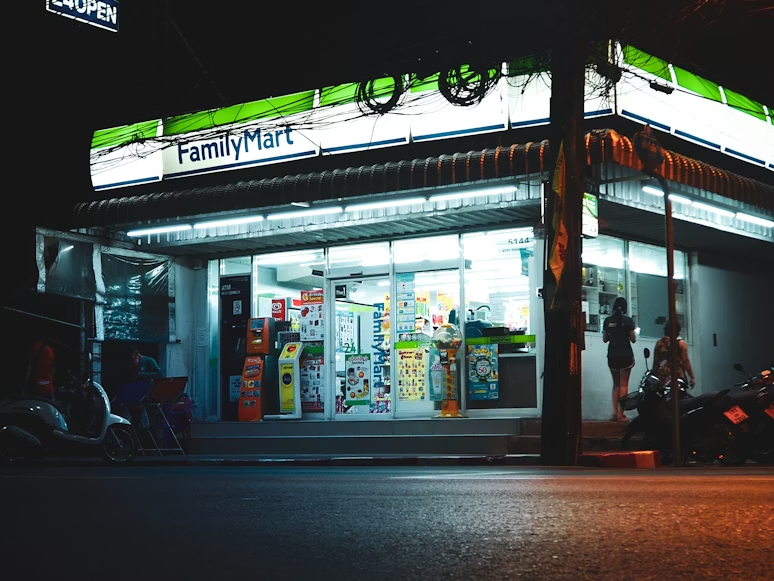
In many countries, convenience stores are a last resort. In Japan, they're reliable.
You can get fresh meals, good coffee, and even government document services. Every convenience store has an ATM, and you can also ship packages from there.
And the food? Surprisingly good.
It's the kind of everyday detail that makes life smoother, especially when you're adjusting to a new country.
The emphasis on cleanliness 🧹
Tokyo is one of the cleanest cities in the world.
What surprises people is that there are almost no public trash cans.
You're expected to carry your trash home. People sort garbage carefully, and recycling rules can feel complicated at first.
You will probably mess it up once or twice, everyone does.
Over time, however, you start noticing how much care goes into shared spaces. It changes the way you think about public responsibility.
Personal space works differently 👥
Japan is crowded, especially Tokyo. Trains, sidewalks, restaurants.
Yet socially, people maintain emotional distance.
• Strangers rarely make small talk
• Physical affection in public is minimal
• Friendships may take longer to deepen
At first, it can feel isolating. You might miss actual conversations with strangers or spontaneous friendliness.
Though when connections do form, they often feel intentional and meaningful.
Everything is extremely organized 📋
Lines are orderly. Trains arrive exactly when they say they will. Processes are structured.
Even events like cherry blossom viewing (Hanami) are organized. People reserve picnic spots early in the morning and follow park rules carefully.
If you come from a place where flexibility and improvisation are normal, this level of structure can feel rigid.
However, there's comfort in knowing things work.
You’ll become hyper aware of being “foreign” 🌏
In Tokyo, especially in central area's, diversity is increasing, but depending on where you're from, you may still stand out.
You might get things like:
• Curious stares
• Compliments on your Japanese (even if you only said one sentence)
• Questions about your home country
Most of it is harmless curiosity, but it can still feel strange at first.
Over time, you learn to navigate it with confidence.
Seasons are a big deal 🌸🍁❄️
In many countries, seasons pass quietly.
In Japan, they're celebrated.
Cherry blossom season in spring, festivals in summer, autumn leaves, and winter illuminations.
Seasonal foods, drinks, decorations, everything shifts.
As an intern, this makes your experience feel dynamic. There's always something changing.

You’ll change more than you expect 🌱
The biggest culture shock isn't Japan.
It's how you react to it.
You might:
• Become more punctual
• Speak more thoughtfully
• Pay more attention to detail
• Develop patience you didn’t know you had
Living in Japan, even for a few months, subtly reshapes you.
Final thoughts ✨
Culture shock isn't a sign that something is wrong. It's a sign that you're growing.
Japan, especially Tokyo, challenges you in quiet ways. It asks you to observe more, listen more, and adapt.
At first, it can feel overwhelming.
However, one day you'll step onto a silent train, bow slightly without thinking, sort your recycling correctly on the first try, and realize you've adjusted.
And that's when you know you're not just visiting.
You're experiencing it.